
Το ζήτημα του πώς άρχισε το Σύμπαν και πώς θα τελειώσει έχει προκαλέσει αμηχανία στην ανθρωπότητα για χιλιετίες. Οι αρχαίοι Έλληνες και πολλοί άλλοι πολιτισμοί πίστευαν ότι το σύμπαν μας είναι αιώνιο. Ο Αριστοτέλης ήταν ένας από τους πρώτους ανθρώπους που σκέφτονταν διαφορετικά και πρότεινε ότι το Σύμπαν περιορίστηκε σε αυτό που ονομάζεται «ουράνια σφαίρα». Προς έκπληξη όλων, γύρω στο 1930 ανακαλύφθηκε ότι το Σύμπαν δεν είναι απείρως παλιό, αλλά έχει πεπερασμένη ηλικία. Ο αστρονόμος Edward Hubble έκανε την εκπληκτική παρατήρηση ότι όλοι οι γαλαξίες απομακρύνονται ο ένας από τον άλλο. Επομένως, κάποιος πρέπει να υποθέσει ότι είχαν πλησιάσει μεταξύ τους πριν από 1000 χρόνια από σήμερα, ακόμα πιο κοντά πριν από 1 εκατομμύριο χρόνια και ούτω καθεξής. Τέλος, κάποια στιγμή στο παρελθόν, πριν από περίπου 13,7 δισεκατομμύρια χρόνια, όλα τα υλικά στο Σύμπαν πρέπει να είχαν συμπιεστεί σε μια εξαιρετικά μεγάλη πυκνότητα και θερμοκρασία.
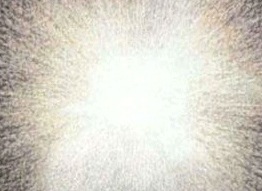
Η Μεγάλη Έκρηξη. Πηγή: Counterbalance Foundation
Δεδομένου ότι η επέκταση από αυτή την αρχική κατάσταση προχωρά σα μια γιγαντιαία έκρηξη, αυτή η θεωρία έγινε γρήγορα γνωστή ως η Μεγάλη Έκρηξη (Big Bang). Αρχικά, το όνομα Big Bang χρησίμευε ειρωνικά και επινοήθηκε από τους αντιπάλους της θεωρίας του Big Bang, διότι στη δεκαετία του 1930 φαινόταν αδιανόητο για πολλούς ανθρώπους ότι το σύμπαν δεν είναι απείρως παλιό. Ωστόσο, το όνομα Big Bang χρησιμοποιείται από τότε επειδή απευθύνθηκε στις φαντασιώσεις τόσο των επιστημόνων όσο και του κοινού.Προς το παρόν, η θεωρία του Big Bang είναι η πιο αποδεκτή θεωρία της προέλευσης του Σύμπαντος -αλλά δεν είναι καθόλου ολοκληρωμένη. Η θεωρία του Big Bang εξηγεί πώς το Σύμπαν μπορεί να έχει εξελιχθεί μετά τη δημιουργία του, αλλά υπάρχουν και πολλά άλλα κοσμολογικά ερωτήματα. Πώς συνέβη το Big Bang; Και αν το σύμπαν μας επεκτείνεται, σε τι επεκτείνεται; Ορισμένες από αυτές τις ερωτήσεις είναι συναρπαστικές νέες προκλήσεις για τους αστρονόμους, ενώ άλλες είναι απλά μπερδεμένες. Για παράδειγμα, γνωρίζουμε τι συνέβη στο Σύμπαν από ένα κλάσμα του δευτερολέπτου μετά το Big Bang, αλλά δεν μπορούμε να εξηγήσουμε πλήρως το πρώτο κλάσμα του δευτερολέπτου, όπου δημιουργήθηκε χώρος και χρόνος. Έτσι εάν ρωτήσετε τι υπήρχε πριν από το Big Bang; Λοιπόν τίποτα, επειδή ο χώρος και ο χρόνος δεν υπήρχαν μέχρι τη Μεγάλη Έκρηξη, οπότε δεν υπάρχει το πριν από τη Μεγάλη Έκρηξη και δεν υπήρχε μέρος για να υπάρχει τίποτε, ούτως ή άλλως.
Η θεωρία του Big Bang δηλώνει ότι όλη η ύλη υπήρχε από την αρχή, αλλά ήταν απλώς σε ένα μέρος. Πριν από τη Μεγάλη Έκρηξη, δεν υπήρχε χρόνος και χώρος. Ο Hubble ανακάλυψε ότι οι γαλαξίες απομακρύνονταν ο ένας από τον άλλο, γεγονός που οδήγησε στην ιδέα της επέκτασης του χώρου. Αυτό σημαίνει ότι δεν είναι η κίνηση των ίδιων των γαλαξιών που τους οδηγεί μακριά ο ένας από τον άλλο. Είναι ο ίδιος ο χώρος που μετακινεί τους γαλαξίες.
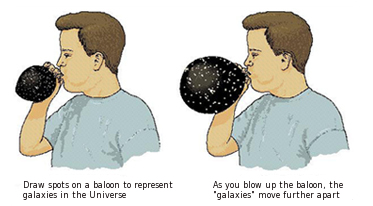
Μπορεί να είναι πιο εύκολο να σκεφτείτε ένα ελαστικό μπαλόνι. Το μπαλόνι αντιπροσωπεύει το χώρο (σε αυτήν την περίπτωση 2-διαστάσεων). Στο μπαλόνι τοποθετείτε εκατοντάδες σημάδια, τα οποία αντιπροσωπεύουν τους γαλαξίες. Εάν φουσκώσετε το μπαλόνι, τα σημάδια φαίνεται να απομακρύνονται το ένα από τον άλλο, αλλά στην πραγματικότητα η επιφάνεια του μπαλονιού έχει τεντωθεί ανάμεσα στα σημάδια και έχει μετακινήσει όλους τους «γαλαξίες» πιο μακριά.
Ο Edward Hubble συνειδητοποίησε ότι όλοι οι γαλαξίες απομακρύνονταν ο ένας από τον άλλο παρατηρώντας το φως από εξαιρετικά απομακρυσμένες πηγές. Βρήκε ότι το φως αυτό είχε μετατοπιστεί προς το κόκκινο άκρο του ορατού φάσματος. Αυτό μπορεί να εξηγηθεί από το φαινόμενο Doppler, το οποίο δηλώνει ότι το φως που εκπέμπεται από μια πηγή που απομακρύνεται από τον παρατηρητή παρατηρείται με χαμηλότερη συχνότητα.
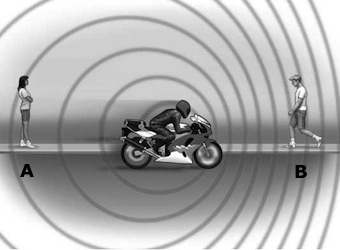
Γραφική απεικόνιση του φαινομένου Doppler. Πηγή: epicphysics.com
Το φαινόμενο Doppler ισχύει για όλους τους τύπους κυμάτων, αλλά είναι πιο εύκολο να εξηγηθεί χρησιμοποιώντας τον ήχο. Φανταστείτε μια μοτοσικλέτα που κινείται προς έναν παρατηρητή Β. Ο κινητήρας της εκπέμπει ηχητικά κύματα (θόρυβος) προς όλες τις κατευθύνσεις, αλλά καθώς η μοτοσυκλέτα ταξιδεύει προς τα μπροστά, ακολουθεί τα ηχητικά κύματα που απελευθερώνει νωρίτερα, πράγμα που σημαίνει ότι το κενό μεταξύ κάθε διαδοχικού κύματος γίνεται μικρότερο. Αυτό αυξάνει τη συχνότητα των ηχητικών κυμάτων, που σημαίνει ότι το Β ακούει έναν οξύτερο θόρυβο. Πίσω από τη μοτοσικλέτα, το αποτέλεσμα είναι αντίστροφο, καθώς η απόσταση μεταξύ των μετώπων κύματος αυξάνεται καθώς η μοτοσυκλέτα απομακρύνεται από τον παρατηρητή Α, ο οποίος ακούει έναν χαμηλότερο θόρυβο.
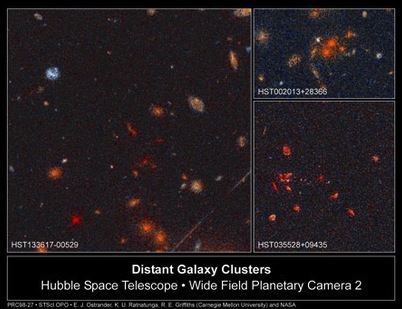
Αυτή η εικόνα δείχνει ότι το φως των μακρινών γαλαξιών είναι κόκκινο αντί για κίτρινο, επειδή απομακρύνονται από εμάς. Πηγή: ESA/NASA
Οι θεωρίες για το πώς έμοιαζε το πρωταρχικό Σύμπαν είναι εξαιρετικά υποθετικές, καθώς είναι πολύ δύσκολο να γνωρίζουμε λεπτομερώς τα πράγματα που συνέβησαν πριν από 13,7 δισεκατομμύρια χρόνια.
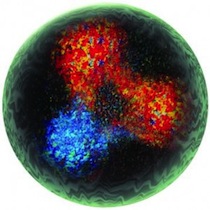
Περίπου ένα χιλιοστό του δευτερολέπτου μετά τη Μεγάλη Έκρηξη, οι θερμοκρασίες είχαν ψυχθεί αρκετά, ώστε να επιτρέψουν τη δημιουργία πρωτονίων και νετρονίων μέσω της συγχώνευσης τριών στοιχειωδών κουάρκ.
Υπάρχουν έξι διαφορετικά είδη κουάρκ. Δύο από αυτά συγκεντρώνουν σχεδόν όλη την ύλη: το κουάρκ επάνω (up) και το κουάρκ κάτω (down). Τρία κουάρκ μπορούν να ενωθούν για να σχηματίσουν ένα πρωτόνιο (2 πάνω + 1 κάτω) ή ένα νετρόνιο (1 πάνω + 2 κάτω).
Το 1965 δύο Αμερικανοί επιστήμονες, οι Penzias και Wilson, κατασκεύασαν μια νέα κεραία ραδιοτηλεσκοπίου, πρωτοφανούς ευαισθησίας, για να μετρήσουν σήματα δορυφόρων. Ανακάλυψαν τυχαία μια μυστηριώδη μικροκυματική ακτινοβολία που προερχόταν από το βάθος του διαστήματος, αλλά δεν είχαν ιδέα για την προέλευσή της. Αργότερα αποδείχθηκε ότι αυτή η ακτινοβολία δημιουργήθηκε στη Μεγάλη Έκρηξη. Ονομάζεται κοσμική ακτινοβολία μικροκυμάτων υποβάθρου και ανεβάζει τη θερμοκρασία του διαστήματος από το μηδέν στους 2.7 Κ. Η ακτινοβολία είναι σχεδόν απόλυτα ομοιόμορφη προς όλες τις κατευθύνσεις.
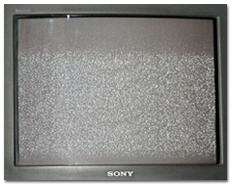
Μπορείτε ακόμα και να παρατηρήσετε την ακτινοβολία υποβάθρου μόνοι σας! Όποιος έχει δει αναλογική τηλεόραση πριν ρυθμιστεί σωστά ξέρει ότι εμφανίζει «στατικό» στην οθόνη. Περίπου το 10% του τρεμοπαίγματος που βλέπει κανείς οφείλεται στην ακτινοβολία υποβάθρου. Φυσικά αυτό δεν συμβαίνει στις ψηφιακές τηλεοράσεις.
Από πού προέρχεται;
Μετά τη δημιουργία των πρώτων ατομικών πυρήνων υδρογόνου, ηλίου και ιχνών λιθίου, αυτά τα ελαφριά στοιχεία παρέμειναν ενσωματωμένα σε μια θάλασσα ηλεκτρονίων που προήλθε από ακόμα πρωιμότερες στιγμές στην ιστορία του Σύμπαντος. Κάθε ηλεκτρόνιο φέρει αρνητικό ηλεκτρικό φορτίο, ενώ κάθε πρωτόνιο φέρει θετικό φορτίο. Αυτά τα πρωτόνια και τα ηλεκτρόνια έλκονται μεταξύ τους λόγω των αντίθετων φορτίων τους, και έτσι τα ηλεκτρόνια προσπαθούν να σχηματίσουν νέφη γύρω από τα πρωτόνια.
Ωστόσο, η υψηλή θερμοκρασία διαλύει αμέσως τα νέφη και στέλνει πρωτόνια και ηλεκτρόνια σε τυχαίες τροχιές στο διάστημα. Χρειάστηκαν 300.000 χρόνια για να επεκταθεί και να κρυώσει το Σύμπαν αρκετά ώστε να φτάσει σε θερμοκρασία στην οποία ένα νέφος ηλεκτρονίων θα παρέμενε σταθερό. Πυρήνες με τα συνοδευτικά τους ηλεκτρόνια είναι αυτό που γνωρίζουμε τώρα ως άτομα.
Οι τροχιές των φωτονίων (σωματίδια φωτός) μπορούν να μεταβληθούν από συγκρούσεις με ηλεκτρικά φορτία, αλλά δεν αλληλεπιδρούν με ουδέτερα άτομα. Επομένως, τα αρχικά φωτόνια της Μεγάλης Έκρηξης συνέχισαν αδιατάρακτα τις τροχιές τους μόλις όλα τα ηλεκτρόνια ενσωματώθηκαν σε άτομα, και βλέπουμε αυτά τα φωτόνια σήμερα ως κοσμική ακτινοβολία υποβάθρου. Έτσι, αυτή η ακτινοβολία δίνει ένα στιγμιότυπο του Σύμπαντος σε «βρεφική» ηλικία 300.000 ετών.
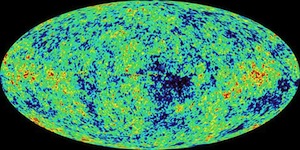
Η εικόνα δείχνει μια λεπτομερή εικόνα ολόκληρου του ουρανού του νεαρού Σύμπαντος, δημιουργημένη από εννέα χρόνια δεδομένων του WMAP. Τα διαφορετικά χρώματα δείχνουν ότι το Σύμπαν 300.000 χρόνια μετά τη Μεγάλη Έκρηξη δεν ήταν ίδιο παντού. Οι διαφορές χρώματος δείχνουν μεταβολές θερμοκρασίας που αντιστοιχούν στους «σπόρους» από τους οποίους δημιουργήθηκαν οι γαλαξίες. Πηγή: NASA/WMAP
Υπάρχουν αποδείξεις για τη Θεωρία της Μεγάλης Έκρηξης; Πράγματι, η θεωρία αυτή υποστηρίζεται από τις ακόλουθες παρατηρήσεις:
Για περίπου ένα δισεκατομμύριο χρόνια μετά τη Μεγάλη Έκρηξη, το Σύμπαν αποτελούνταν μόνο από υδρογόνο και ήλιο σε αέρια μορφή. Δεν υπήρχαν αστέρια και πλανήτες. Τελικά, μερικά από τα νέφη αερίου άρχισαν να καταρρέουν εσωτερικά για να σχηματίσουν πρωτοαστέρες που τελικά έγιναν αρκετά θερμοί ώστε να ανάψουν, δημιουργώντας τα πρώτα αστέρια. Από τα αστέρια σχηματίστηκαν στη συνέχεια γαλαξίες και πλανήτες. Ωστόσο, ο Ήλιος μας δεν σχηματίστηκε παρά αφού γενιές αστεριών είχαν γεννηθεί και πεθάνει, 8 έως 9 δισεκατομμύρια χρόνια μετά τη Μεγάλη Έκρηξη.
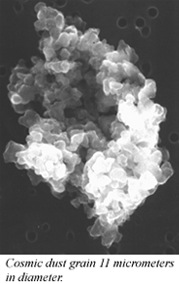
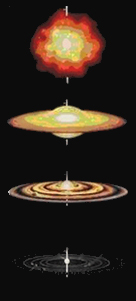
Η γύρω σκόνη και το αέριο συγχωνεύτηκαν αργά υπό την επίδραση της βαρύτητας, καθώς τα μεγαλύτερα κομμάτια έλκαν τα μικρότερα. Καθώς μεγάλωναν, το βάρος τους τα έκανε τελικά σφαιρικά και έγιναν πλανήτες.
Είμαστε τυχεροί που το Ηλιακό μας Σύστημα σχηματίστηκε αρκετά αργά. Ο πλανήτης μας αποτελείται από βράχο που δεν υπήρχε σε παλαιότερες εποχές του Σύμπαντος. Αυτά τα βαριά στοιχεία έπρεπε να δημιουργηθούν από άλλα αστέρια και στη συνέχεια να εκτιναχθούν πίσω στο διάστημα όταν τα αστέρια πέθαναν. Αυτή η ύλη συγκεντρώθηκε στη συνέχεια γύρω από τον Ήλιο μας και σχημάτισε όχι μόνο τη Γη, αλλά και τον Ερμή, την Αφροδίτη και τον Άρη.
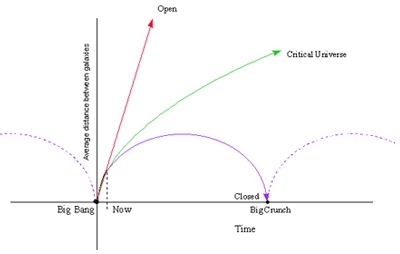
Το ηλιακό σύστημα, που αποτελείται από τον Ήλιο και τους πλανήτες, σχηματίστηκε από ένα νέφος αερίου και σκόνης που έμοιαζε κάπως έτσι. Πηγή: NASAΑκόμα και αν μπορεί κανείς να μετρήσει πόσο γρήγορα απομακρύνονται οι γαλαξίες ο ένας από τον άλλο, δεν είναι εύκολο να προβλεφθεί τι θα συμβεί στο μέλλον του Σύμπαντος. Η επέκταση του Σύμπαντος τροφοδοτείται πρωτίστως από τη Μεγάλη Έκρηξη, αλλά η ύλη στο Σύμπαν μπορεί να τραβήξει τα πάντα βαρυτικά πίσω προς το κέντρο.
Η Γη είναι περίπου 4.600 εκατομμύρια ετών. Στην αρχή, η Γη ήταν τόσο θερμή που τα πάντα ήταν λιωμένα. Μετά από 500 εκατομμύρια χρόνια η Γη είχε κρυώσει αρκετά ώστε να σχηματιστούν ωκεανοί και ο πλανήτης να γίνει κατοικήσιμος. Τότε εμφανίστηκαν οι πρώτες πρωτόγονες μορφές ζωής στους ωκεανούς. Χρειάστηκε στη συνέχεια πάρα πολύς καιρός (περίπου 4.000 εκατομμύρια χρόνια) για να εξελιχθεί η ζωή από τις πρώτες πρωτόγονες μορφές σε φυτά, στη συνέχεια σε ζώα και τελικά σε ανθρώπους.
Οι άνθρωποι ζουν στη Γη μόνο τα τελευταία 4 εκατομμύρια χρόνια. Και μόνο για λιγότερο από 100 χρόνια η ανθρωπότητα έχει κατανόηση του πώς είναι δομημένο το Σύμπαν και πώς γεννήθηκε στη Μεγάλη Έκρηξη.
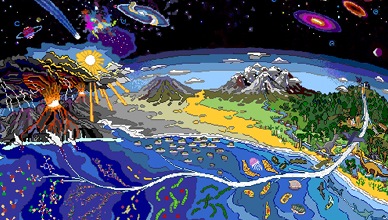
Οι συνθήκες στη Γη ήταν ακριβώς κατάλληλες για ζωή. Έχει ακριβώς τη σωστή θερμοκρασία για υγρό νερό, είναι αρκετά κοντά στον Ήλιο για να χρησιμοποιεί την ενέργειά του, έχει οξυγόνο για να αναπνέουμε και ένα φεγγάρι για να σταθεροποιεί το κλίμα μας.
Αυτή η απεικόνιση παρουσιάζει τα φυσικά φαινόμενα που δημιούργησαν τη ζωή όπως τη γνωρίζουμε στη Γη. Πηγή: California Space InstituteΠολλοί επιστήμονες πιστεύουν ότι υπάρχει ζωή εκτός Γης. Με δισεκατομμύρια άλλα ηλιακά συστήματα, φαίνεται παράλογο να πιστεύουμε ότι η Γη είναι ο μοναδικός πλανήτης ικανός να φιλοξενήσει ζωή. Στο ηλιακό μας σύστημα οι πιο πιθανές τοποθεσίες όπου θα μπορούσε να υπάρχει πρωτόγονη ζωή είναι ο Άρης και ένα από τα φεγγάρια του Δία. Στον Άρη υπάρχουν ενδείξεις ότι υπήρχε νερό στο παρελθόν, και οι επιστήμονες πιστεύουν ότι στην Ευρώπη ένας γιγαντιαίος ωκεανός βρίσκεται κάτω από την παγωμένη επιφάνεια.
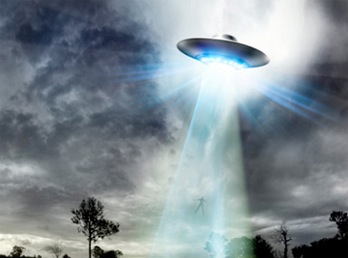
Μέχρι το 2011, είχαν ανακαλυφθεί πολύ πάνω από 500 πλανήτες εκτός του Ηλιακού Συστήματος και συνεχώς ανακαλύπτονται περισσότεροι. Σε μερικούς από αυτούς θα μπορούσαν να υπάρχουν ακριβώς οι κατάλληλες συνθήκες για ζωή. Ίσως να υπάρχουν τεχνολογικοί πολιτισμοί πολύ πιο προηγμένοι από εμάς. Ωστόσο, μερικοί άνθρωποι πιστεύουν ότι αν υπήρχαν τόσοι εξωγήινοι εκεί έξω, θα τους είχαμε δει ήδη. Αυτό ονομάζεται παράδοξο του Fermi, επειδή ήταν ο Enrico Fermi που διατύπωσε πρώτος αυτή την ιδέα. Μία από τις πιο εύλογες εξηγήσεις είναι ότι οι τεράστιες αποστάσεις μεταξύ διαφορετικών προηγμένων πολιτισμών δεν επιτρέπουν την επικοινωνία. Ακόμα και αν υπήρχαν 1.000 προηγμένοι πολιτισμοί, αν απέχουμε όλοι 1.000 έτη φωτός ο ένας από τον άλλο, είναι απίθανο κάποιος να έρθει στη Γη για επίσκεψη.
Μερικοί επιστήμονες πιστεύουν ότι είναι απίστευτα τυχερό το γεγονός ότι από όλες τις άπειρες δυνατότητες εξέλιξης του Σύμπαντος, τυχαία εξελίχθηκε για να δημιουργήσει ακριβώς τις κατάλληλες συνθήκες για να επιβιώσουμε. Για παράδειγμα, κατά τη στιγμή της Μεγάλης Έκρηξης υπήρχε μόνο μια μικρή υπεροχή (ένα δισεκατομμυριοστό) ύλης σε σχέση με την αντιύλη στο Σύμπαν. Αν οι ποσότητες ήταν ακριβώς ίσες, όλη η ύλη και η αντιύλη θα είχαν εξαϋλωθεί και μετατραπεί σε ακτινοβολία, οδηγώντας σε ένα βαρετό Σύμπαν χωρίς τίποτα στερεό, συμπεριλαμβανομένων και ημών των ιδίων. Αν η υπεροχή της ύλης ήταν μόνο ελαφρώς μεγαλύτερη ή μικρότερη από την πραγματική τιμή, καμία ζωή δεν θα ήταν δυνατή. Αν ήταν λίγο μεγαλύτερη, το Σύμπαν θα είχε καταρρεύσει λόγω βαρυτικής έλξης. Απλά δεν θα υπήρχε αρκετός χρόνος για να αναπτυχθεί ζωή. Από την άλλη πλευρά, αν η υπεροχή της ύλης ήταν μόνο λίγο μικρότερη, η επέκταση θα ήταν τόσο γρήγορη που δεν θα μπορούσαν να σχηματιστούν δεσμευμένες δομές και το Σύμπαν θα περιείχε μόνο στοιχειώδη σωματίδια.


 BG
BG DA
DA DE
DE EN
EN ES
ES FI
FI FR
FR HU
HU IT
IT NL
NL NO
NO PL
PL PT
PT RO
RO SE
SE